
PC gaming remains one of the most flexible and diverse ways to experience games. From high-intensity action titles to slow-paced simulations, the PC platform supports a wide range of game styles, performance levels, and player preferences. Understanding category PC gaming helps players navigate this variety with clarity, saving time and improving game selection.
This guide explains how PC gaming categories work, how PC games by category are structured, and how players can use genre knowledge to discover games that match their interests, hardware, and play habits. Every section is written to function as a long-term reference for players browsing a PC gaming category hub.
Understanding PC Gaming Categories
PC gaming categories group titles based on shared gameplay traits, design goals, or player interaction models. These groupings help players explore games with similar mechanics rather than searching title by title.
Unlike console ecosystems, PC gaming allows deeper categorization. Games may fall into multiple categories at once. A single title may combine open world exploration, role-playing systems, and survival mechanics. Category systems exist to guide discovery rather than restrict it.
A well-structured PC gaming category page offers clarity across genres, modes, performance requirements, and player commitment levels. This structure benefits beginners searching for direction and experienced players refining their libraries.
PC Game Genres and How They Work
A PC game genres list serves as the backbone of category PC gaming. Genres describe how a game plays rather than how it looks. Each genre brings distinct pacing, skill demands, and player expectations.
Genres continue to evolve. Many modern titles blend multiple genre styles, creating hybrid experiences that appeal to wider audiences.
Action and Shooter PC Games
Action-focused PC games emphasize quick reactions, movement, and precision. These titles reward hand-eye coordination and real-time decision-making.
Action PC Games
Action PC games center on physical control, combat timing, and player reflexes. These games feature constant engagement, fast pacing, and limited downtime. Players drawn to responsive gameplay often gravitate toward this category.
FPS PC Games
First-person shooter games place players directly behind the character’s viewpoint. FPS PC games rely on accuracy, map knowledge, and reaction speed. Competitive play thrives within this category due to precise input from keyboard and mouse controls.
Third Person Shooter PC Games
Third person shooter PC games offer a wider field of view, allowing players to manage positioning and movement with greater spatial awareness. These titles often blend action shooting with narrative progression.
Battle Royale PC Games
Battle royale PC games focus on large-scale competition. Players start with minimal resources and compete until a single player or team remains. Strategy, awareness, and adaptability shape success in this category.
Adventure, RPG, and Open World PC Games
Adventure-driven categories attract players seeking immersion, story depth, and exploration.
Adventure PC Games
Adventure PC games prioritize narrative, discovery, and environmental interaction. Puzzle solving and world traversal form the core of this category.
RPG PC Games
Role-playing games allow players to shape characters through choices, skill systems, and progression paths. RPG PC games often include branching stories, equipment management, and character customization.
MMORPG PC Games
MMORPG PC games expand role-playing into shared online worlds. Players interact with others across vast environments featuring quests, economies, and long-term progression.
Open World PC Games
Open world PC games grant freedom of movement across large maps. Player choice determines pacing, exploration order, and narrative engagement.
Sandbox PC Games
Sandbox PC games provide systems rather than scripted paths. Players shape experiences through creativity, experimentation, and open-ended mechanics.
Story Driven PC Games
Story driven PC games focus on narrative delivery. Character development and emotional engagement guide player progression more than mechanical difficulty.
Strategy and Simulation PC Games
Strategy-based categories appeal to players who prefer planning, analysis, and long-term decision-making.
Strategy PC Games
Strategy PC games test problem-solving skills. Players manage resources, units, or territories to achieve objectives.
Real Time Strategy PC Games
Real time strategy PC games unfold continuously. Players make rapid decisions while managing economies and armies simultaneously.
Turn Based Strategy PC Games
Turn based strategy PC games allow thoughtful planning. Each action occurs in structured phases, encouraging deliberate choices.
Simulation PC Games
Simulation PC games replicate real-world systems. These games emphasize accuracy, management, and control.
Life Simulation Games PC
Life simulation games PC model social systems, careers, and daily activities. Player agency shapes virtual lives over extended periods.
Racing, Sports, Survival, and Horror PC Games
Racing Games for PC
Racing games for PC emphasize speed, vehicle handling, and track mastery. Many titles support wheel controllers for deeper immersion.
Sports Games PC
Sports games PC recreate competitive athletic experiences. Team management, player control, and season progression define this category.
Survival PC Games
Survival PC games test endurance. Resource gathering, crafting, and environmental threats form the core gameplay loop.
Horror PC Games PC
Horror PC games PC focus on atmosphere, tension, and psychological pressure. Limited resources and unpredictable encounters heighten suspense.
Indie and Casual PC Games
Indie PC Games
Indie PC games showcase creative freedom. Smaller development teams produce innovative mechanics and distinct visual styles.
Casual PC Games
Casual PC games favor accessibility. Simple controls and shorter play sessions make these games suitable for relaxed play.
PC Games by Play Style and Player Mode
Beyond genre, types of PC games differ by how players engage with them.
Single Player PC Games
Single player PC games emphasize personal progression. Players experience stories or challenges without reliance on other users.
Multiplayer PC Games
Multiplayer PC games support interaction between players. Competitive or cooperative play defines the experience.
Online PC Games
Online PC games require internet connectivity. Live updates, shared servers, and social interaction shape gameplay.
Offline PC Games
Offline PC games function without network access. These titles suit solo play and limited connectivity setups.
Co Op PC Games PC
Co op PC games PC focus on teamwork. Players collaborate toward shared objectives rather than competing.
Competitive PC Games
Competitive PC games reward mastery. Ranked systems and skill-based matchmaking dominate this category.
Esports PC Games
Esports PC games support professional competition. Balanced mechanics and spectator features enable tournament play.
Free and Paid PC Games
Cost structure plays a major role in PC games by category selection.
Free to Play PC Games
Free to play PC games offer access without upfront cost. Optional purchases often support ongoing development.
Best Free PC Games
The best free PC games deliver complete experiences through fair progression systems and active communities.
Paid PC Games
Paid PC games provide full access at purchase. Content delivery occurs upfront rather than through monetized progression.
Premium PC Games
Premium PC games focus on production quality, polish, and expansive content.
Choosing the Right PC Game Genre
Selecting a genre depends on personal goals, available time, and hardware capacity.
Players seeking competition often prefer FPS PC games or esports PC games. Story-focused players gravitate toward RPG PC games or story driven PC games. Those with limited system power benefit from low end PC games or indie PC games.
Understanding categories simplifies these decisions.
PC Games Based on Hardware Requirements
High Graphics PC Games
High graphics PC games demand strong GPUs and processors. Visual detail, lighting systems, and large environments define this group.
Low End PC Games
Low end PC games run efficiently on modest systems. Optimization and minimal hardware strain shape this category.
Games for Low Spec PC
Games for low spec PC focus on accessibility. Developers prioritize performance stability across older machines.
PC Gaming Platforms and Game Libraries
Steam PC Game Categories
Steam PC game categories help users organize large libraries. Filters allow sorting by genre, player mode, and features.
Epic Games PC Titles
Epic Games PC titles emphasize exclusivity and free release cycles. Category tagging supports discovery.
PC Gaming Library Organization
PC gaming library organization reduces clutter. Clear category sorting saves time and improves play selection.
Buying and Downloading PC Games
Download PC Games
Digital downloads dominate PC gaming. Immediate access replaces physical distribution.
Buy PC Games Online
Online stores provide wide selection, regional pricing, and refund systems.
Cheap PC Games Deals
Seasonal sales reduce costs across genres. Bundles offer value for expanding libraries.
Optimizing the PC Gaming Experience
Optimize PC for Gaming
Performance tuning improves frame rates and stability. Driver updates and system settings play key roles.
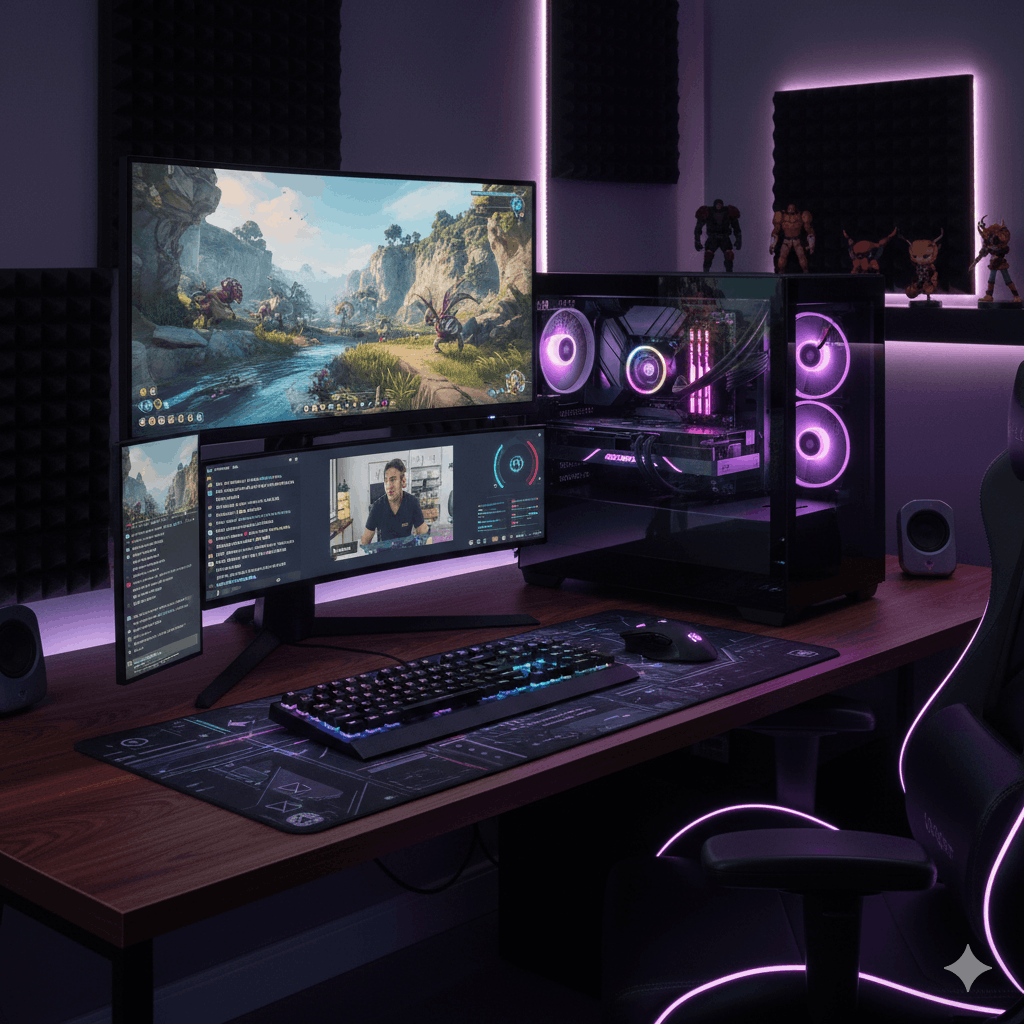
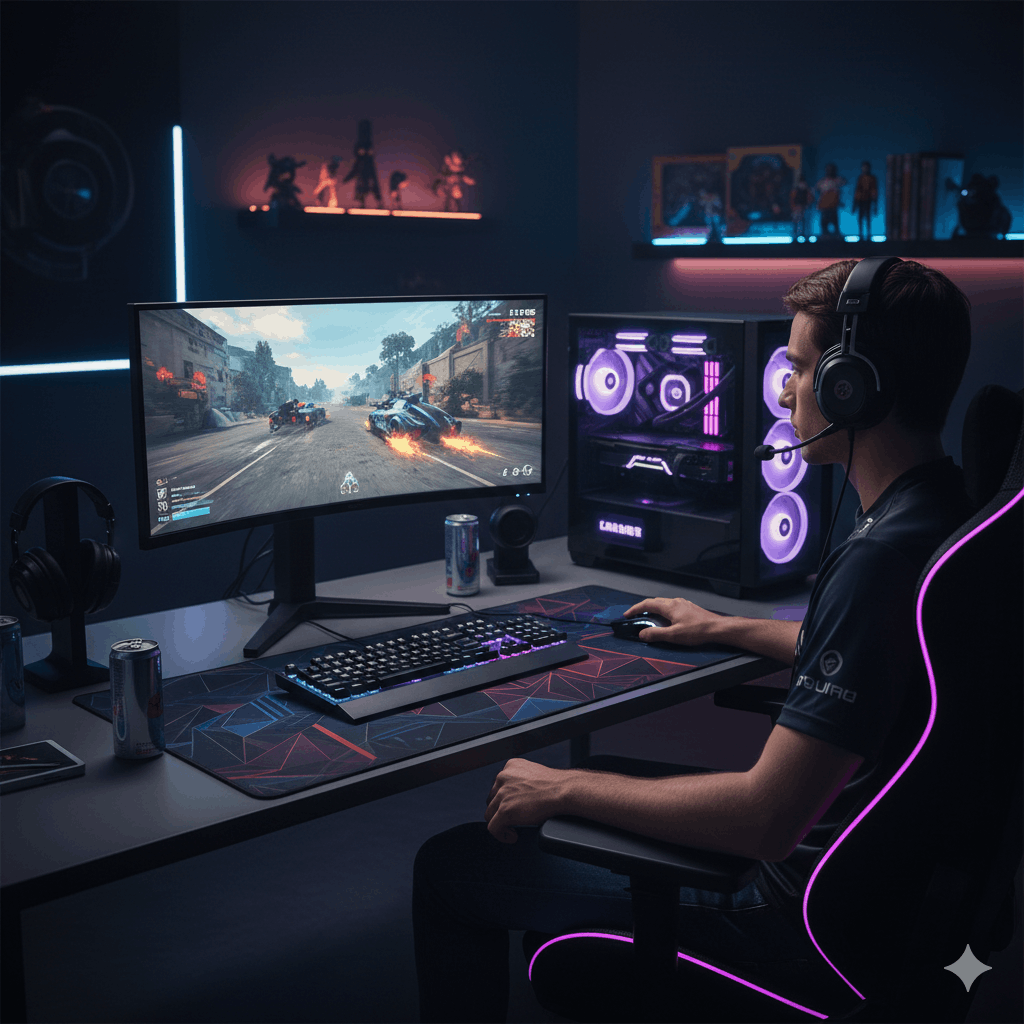
Best PC Setup for Gaming
The best PC setup for gaming balances hardware, peripherals, and comfort.
Gaming PC Performance Tips
Regular maintenance supports consistent performance. Storage management and thermal control protect long-term reliability.
Closing Notes
Category PC gaming exists to simplify discovery within a vast ecosystem. Genres, play styles, and performance tiers give structure to an otherwise overwhelming catalog of games. Players who understand PC gaming categories make better choices, build stronger libraries, and enjoy gaming with fewer barriers.
A well-organized PC gaming category page serves beginners and experienced players alike. Genre awareness transforms browsing into confident selection.